
The Ultimate Guide to AI-Proof SEO: Everything You Need to Succeed in Google's New Era
- February 10, 2026
- Uncategorized
The digital marketing landscape has undergone a seismic shift. Traditional SEO tactics that dominated search strategies for over a decade are rapidly becoming obsolete as artificial intelligence reshapes how search engines understand, process, and deliver content to users.
Google's integration of AI into its core algorithms, along with the emergence of AI-powered search platforms, has fundamentally altered the rules of the game. Businesses that continue to rely on outdated keyword-stuffing techniques and domain authority manipulation are finding themselves increasingly invisible in search results.
This comprehensive guide examines the essential strategies and techniques needed to future-proof your SEO approach in an AI-dominated search environment.
Understanding the AI-Driven Search Landscape
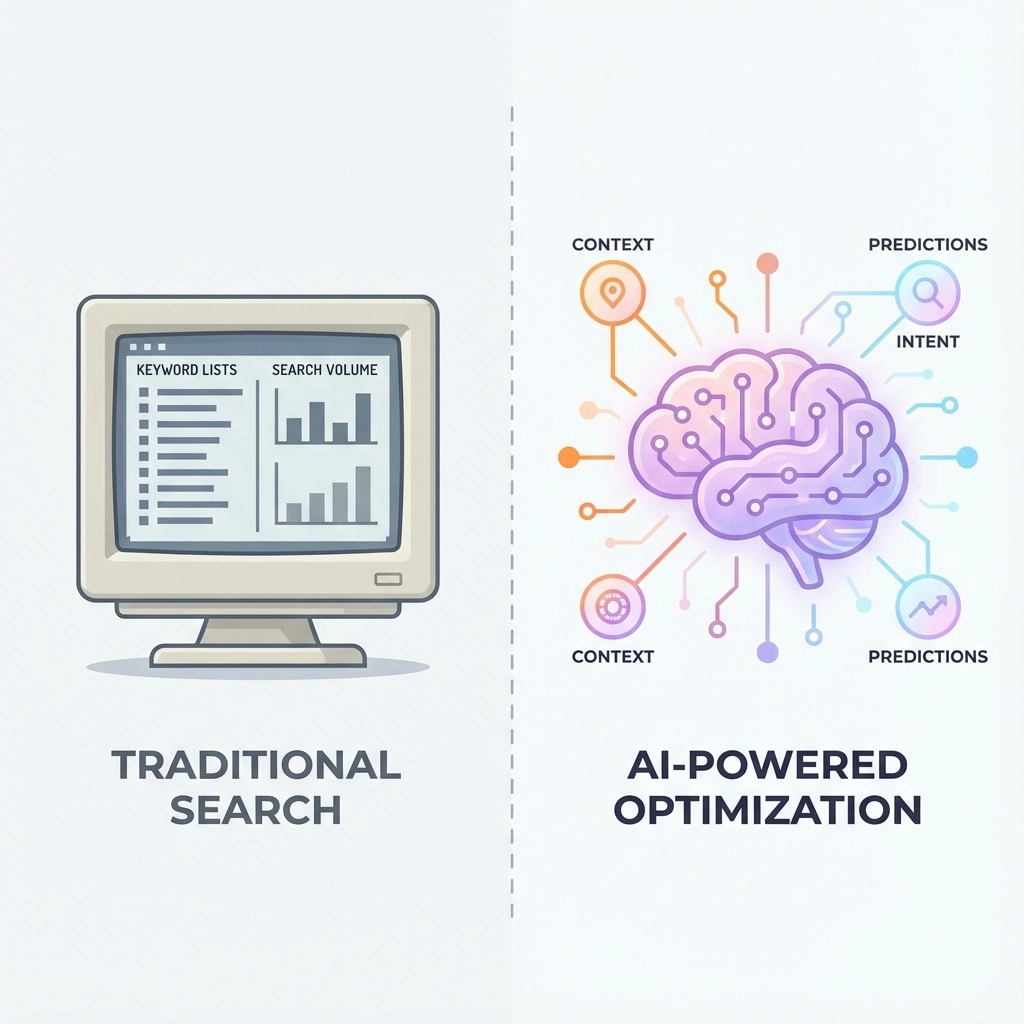
The shift from traditional keyword-based search to intent-driven AI systems represents the most significant change in search engine optimization since Google's inception. AI algorithms now prioritize content that demonstrates genuine expertise, provides comprehensive answers, and maintains authentic authority over topics.
Modern search engines utilize machine learning to understand context, user intent, and content quality at a level previously impossible. This advancement means that content creators must focus on depth, authenticity, and real value rather than technical manipulation of ranking factors.
Search engines now evaluate content through the lens of helpfulness and trustworthiness. Pages that provide clear, well-researched answers to user queries while maintaining professional credibility consistently outperform those optimized solely for search engine crawlers.
Content Strategy for AI-Proof SEO
Prioritizing Depth Over Keywords
The era of keyword density optimization has ended. AI systems reward content that demonstrates comprehensive understanding of topics through original research, expert analysis, and thorough coverage of subject matter. It is widely regarded that content should address user questions directly while providing context and supporting evidence.
Successful content in the AI era typically includes:
- Original data and research findings
- Expert insights and professional commentary
- Comprehensive topic coverage that addresses related questions
- Clear formatting with bullet points, summaries, and structured information
- Regular updates that reflect current industry developments
Authentic Content Creation
While AI writing tools can assist with content ideation and initial drafts, it is vital that businesses avoid relying entirely on AI-generated content. Search engines increasingly sophisticated at detecting purely artificial content and often penalize sites that lack human oversight and authentic expertise.
The most effective approach involves using AI as an editing and refinement partner while maintaining human strategic direction and subject matter expertise. This hybrid methodology ensures content remains authentic while benefiting from AI efficiency improvements.
Technical Foundation Requirements
Schema Markup and Structured Data
Schema markup has evolved from an optional enhancement to a fundamental requirement for AI-friendly SEO. Structured data provides machine-readable context that helps AI systems understand content meaning, relationships, and organizational structure.
Implementing comprehensive schema markup directly improves visibility in search results and increases the likelihood of appearing in featured snippets and AI-generated answers. The most important schema types for modern SEO include:
- Organization and LocalBusiness markup
- Article and BlogPosting schemas
- FAQ and HowTo structured data
- Product and Service schemas
- Review and Rating markup
AI User-Agent Optimization
Many websites inadvertently block AI search crawlers through restrictive robots.txt files. It is essential to permit access for AI user-agents including OAI-SearchBot, ChatGPT-User, and PerplexityBot to ensure content appears in AI search results.
Regular auditing of XML sitemaps helps eliminate orphan pages with no internal links, improving overall site structure and crawlability for both traditional and AI-powered search engines.

Modern Link Building Approaches
Context-Driven Link Strategy
Traditional domain authority metrics have diminished in importance as AI systems prioritize link context and relevance over raw domain scores. Modern link building focuses on securing mentions from authoritative sources within relevant industry contexts.
Digital PR has emerged as the most effective link-building strategy, with industry experts ranking it as their top approach for 2025. This method emphasizes earning editorial mentions through thought leadership, expert commentary, and valuable industry contributions.
Quality Over Quantity
AI algorithms excel at identifying natural link patterns versus manipulative link schemes. Successful link building strategies now emphasize:
- Fresh, high-quality backlinks from authoritative domains
- Relevant brand mentions in industry publications
- Editorial links earned through expertise and thought leadership
- Natural link acquisition through valuable content creation
It is worth considering that a smaller number of high-quality, contextually relevant links often provides more SEO value than numerous low-quality directory submissions or guest post exchanges.
Optimizing for AI Search Features
Featured Snippet Optimization
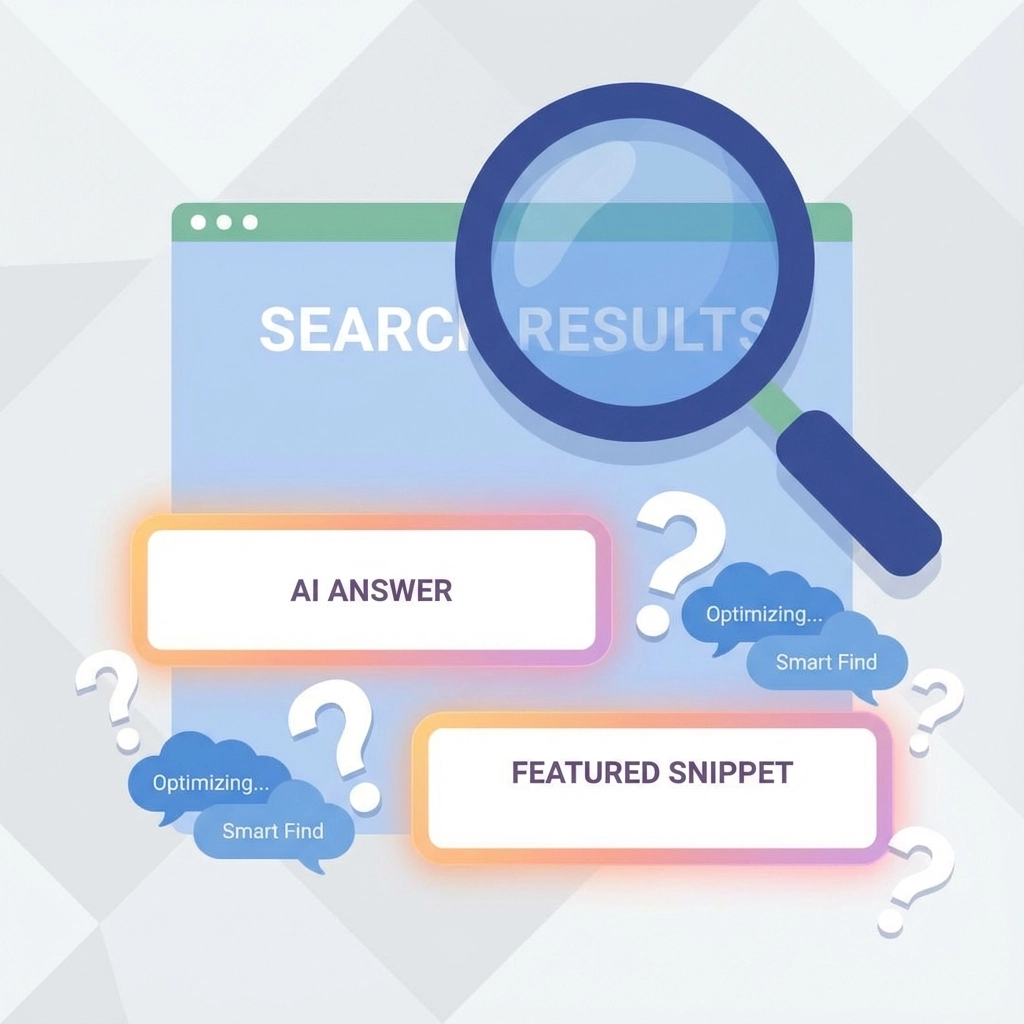
AI-powered search results increasingly highlight content that provides direct, concise answers to user queries. Optimizing for featured snippets requires structuring content with clear headings, numbered lists, and summary paragraphs that directly address common questions.
The most effective approach involves identifying question-based keywords within your industry and creating content sections that provide definitive answers in easily scannable formats.
Voice Search Considerations
As AI-powered voice assistants become more prevalent, optimizing for conversational queries becomes increasingly important. This involves incorporating natural language patterns and long-tail keywords that reflect how people speak rather than how they type.

Measuring Success in the AI Era
Citation Tracking Over Traditional Rankings
Traditional keyword ranking reports provide limited insight in an AI-dominated search landscape. Modern SEO success measurement focuses on brand mentions across AI platforms and engagement quality metrics rather than raw traffic volume.
Key performance indicators for AI-era SEO include:
- Average engagement time and pages per session
- Conversion rates and lead quality
- Brand mention frequency in AI search results
- Presence in SERP features and rich results
- Citation accuracy across online platforms
Advanced Analytics Integration
Google Analytics 4's AI features enable more sophisticated tracking of user behavior patterns and conversion paths. These insights help identify which content types and optimization strategies generate the most valuable user engagement.
It is advisable to monitor whether pages appear in People Also Ask boxes, AI summaries, or other enhanced search features, as these placements often indicate successful alignment with AI ranking systems.
Essential Tools and Technologies
AI-Powered SEO Platforms
Modern SEO tools leverage artificial intelligence to analyze top-ranking content and provide semantic keyword suggestions aligned with how AI systems understand topics. Platforms like Surfer SEO, SEMrush, and Clearscope offer insights into content optimization strategies that resonate with AI algorithms.
These tools excel at identifying content gaps, semantic keyword opportunities, and technical optimization requirements that traditional SEO tools often miss.
Content Optimization Technologies
AI writing assistants like Jasper and Copy.ai can accelerate content ideation and first draft creation when combined with human oversight and expertise. The key lies in using these tools strategically rather than relying on them exclusively for content creation.
Many businesses find success using AI tools for research, outline generation, and initial content drafts, followed by human editing, fact-checking, and strategic refinement.
Building Long-Term Authority
Authentic Expertise Development
In many cases, Net Promoter Scores and customer satisfaction metrics now carry more weight in AI ranking algorithms than traditional domain authority measurements. Building authentic authority requires creating genuine value rather than pursuing technical shortcuts.
Successful authority building strategies include:
- Speaking at industry events and conferences
- Publishing original research and industry reports
- Contributing expert commentary to industry publications
- Maintaining active professional networks and partnerships
- Consistently delivering high-quality products or services
Brand Signal Optimization
AI systems increasingly evaluate brand signals across multiple digital touchpoints. Consistent NAP (Name, Address, Phone) information, positive review management, and active social media presence contribute to overall brand authority recognition.
This holistic approach ensures that AI algorithms recognize your business as a legitimate, trustworthy entity worthy of prominent search placement.
Implementation Strategy
Gradual Transition Approach
Transitioning from traditional SEO to AI-optimized strategies shouldn't happen overnight. It is recommended that businesses implement changes gradually while monitoring performance metrics to identify which modifications generate the most positive impact.
Starting with technical foundation improvements like schema markup and site speed optimization provides immediate benefits while more comprehensive content strategy changes can be implemented over time.
Professional Support Considerations
Many businesses benefit from professional guidance when implementing AI-proof SEO strategies. Web Social Pro's SEO services can help evaluate your current optimization approach and develop a customized transition plan that aligns with your business goals and industry requirements.
The evolution from traditional SEO to AI-optimized search strategies represents a fundamental shift in digital marketing methodology. Success requires abandoning quick-fix tactics in favor of building genuine authority, creating citation-worthy content, and ensuring technical foundations support AI system understanding.
Businesses that embrace this transition early while maintaining focus on authentic value creation will find themselves well-positioned for sustained search visibility in the AI-driven digital landscape. The key lies in balancing technological optimization with genuine expertise and user-focused content creation.
For additional guidance on implementing these strategies within your specific business context, our team remains available to provide personalized consultation and support tailored to your industry requirements and growth objectives.
About us and this blog
We are a digital marketing company with a focus on helping our customers achieve great results across several key areas.
Request a free quote
We offer professional SEO services that help websites increase their organic search score drastically in order to compete for the highest rankings even when it comes to highly competitive keywords.
Subscribe to our newsletter!
More from our blog
See all posts